Alpha House: Everyone deserves a safe place to call home
Interfaith Hospitality Network at Alpha House provides short-term hoteling and wraparound support services for families experiencing homelessness. Families are referred directly through WCCMH, assessed for program eligibility by Alpha House staff, and connected with Housing Access for Washtenaw County (HAWC) to support pathways to longer-term stability.
Millage funding helped to provide emergency shelter access and case management for eligible families, ensuring immediate access to safe shelter and support during times of crisis with the goal of housing stability and exit planning. The investment enabled rapid response to urgent needs while maintaining a cost-effective model with an average stay of three weeks.
In 2025, Alpha House:
Assisted 70 individuals in finding emergency shelter.
Provided 70 supportive case management services focused on housing stabilization.
14.29% of families exited the program to permanent or stable housing.
Avalon Housing: Stability and Support Services for Community Well-Being
Avalon Housing owns and operates 30 affordable housing communities in Washtenaw County, and provides support services to people living at Ann Arbor Housing Commission properties and to voucher-holders at privately owned rental units. Avalon's services include care coordination, crisis intervention, and community building, among others.
Millage resources have allowed Avalon to provide support relating to housing stability, life skills, financial health, household skills, eviction prevention and conflict resolution, among other supports.
In 2025, millage funding helped Avalon:
Serve 703 people, including 209 children
Keep 94% of people safely in their homes after one year
Make sure 97% of people have health insurance."
Barrier Busters: Stabilizing Our Community Through Emergency Relief
The Barrier Busters Emergency Unmet Needs Fund (BBEUNF) provides critical financial assistance to resolve emergency crises for WCCMH clients. Administered through the Office of Community and Economic Development, the program enables staff to address urgent needs like housing and utilities that lack other funding sources.
The Barrier Busters program experienced high community request for services during the 2025 calendar year. In order to provide more robust stabilization for vulnerable residents, the program increased the assistance cap to $1,000.

2025 Key Metrics:
67 clients served with the primary allocation, plus 15 more through supplemental funds.
45% of funding ($18,131) dedicated specifically to housing stability.
13% match ratio ($5,167) achieved to enhance the assistance's total impact,.
Ozone House: Empowering youth with skills to overcome homelessness
Ozone House's primary goal is to provide safe, stable housing and holistic support for youth through its Transitional Living Program (TLP). The program empowers young people to achieve independence by offering case management, life skills training, and connections to education and employment.
Recent impact includes preventing homelessness by diverting 10 households from shelters through emergency financial assistance and hotel stays. Furthermore, the program successfully transitioned multiple youth into permanent housing and fostered meaningful adult connections.
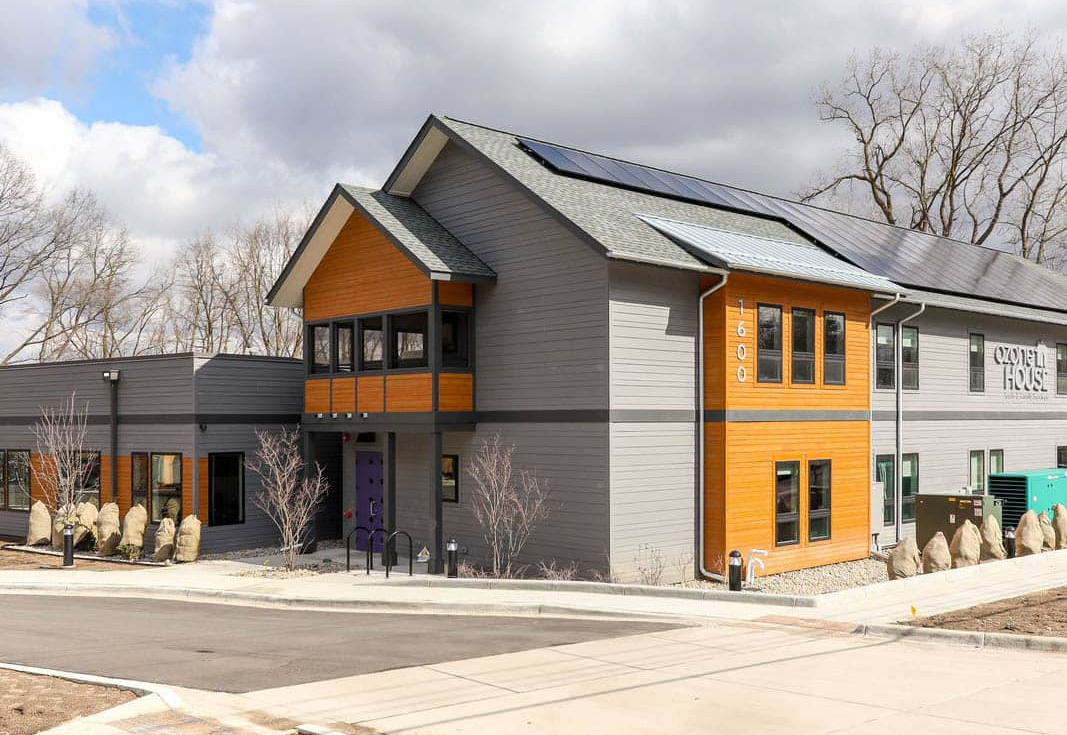
2025 Key Metrics:
98% of youth (20/20) participated in life skills training sessions like budgeting and wellness.
76% of program exits resulted in youth moving to safe, stable housing destinations.
93% of clients actively engaged in educational or vocational training programs.
Michigan Ability Partners: Building Stability Through Supportive Housing and Community Care
Michigan Ability Partners (MAP) primarily aims to provide intensive supportive services within the Permanent Supported Housing (PSH) project. Their goal is to help vulnerable individuals maintain housing through case management, including medical referrals, transportation, and life skills training. With millage support, this work has successfully expanded local housing capacity, allowing MAP to add 23 new client households and open additional vouchers for the unhoused while improving client-staff rapport.
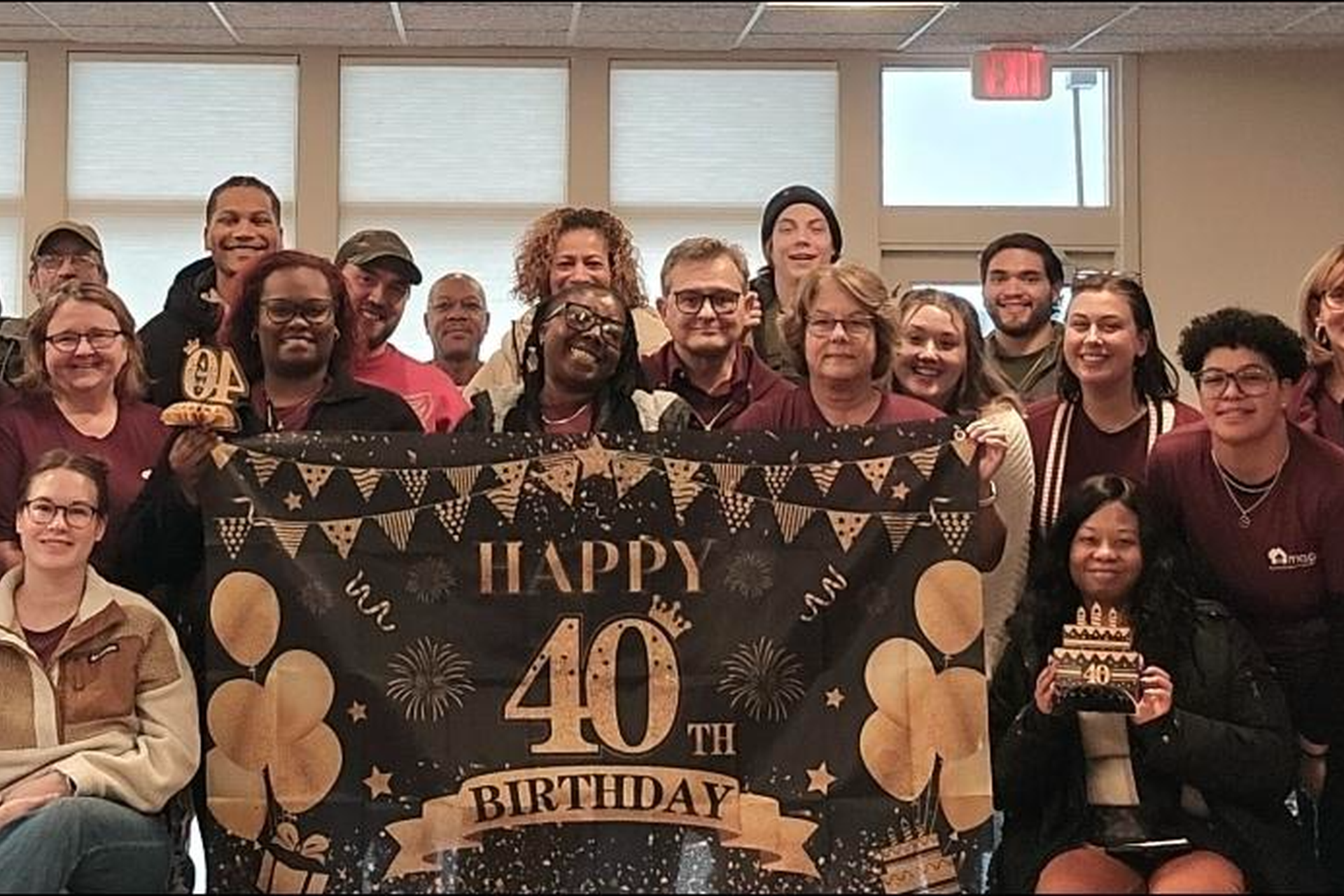
MAP has recently celebrated 40 years of service to the Washtenaw Community and they hope to continue to serve for 40 more. MAP works alongside community partners and clients and improving the properties they call home through beautification and connection.
2025 Key Metrics:
98% of households successfully maintained permanent housing.
100% of participants maintained or increased their monthly income.
52% of participants identified as Non-Caucasian, meeting diversity goals.
Shelter Association of Washtenaw County: Helping Vulnerable Residents Maintain Stable Housing
The Shelter Association of Washtenaw County (SAWC) focuses on providing crisis case management and supportive services to individuals experiencing housing instability. Collaborating with WCCMH, SAWC processes referrals and develops individualized service plans to connect clients with vital benefits, such as SNAP and healthcare, to facilitate transitions to stable housing.
The program's impact includes a significant increase in referral volume and the hiring of a mental health coordinator to streamline service delivery.
2025 Key Metrics:

23 Housing Crisis Stabilization clients served
54% of persons were housed
Ypsilanti Housing Commission: Meeting the needs of the community all year long
Ypsilanti Housing Commission (YHC) operates subsidized housing communities and permanent supportive housing across Ypsilanti. Its social service arm, EMU’s Family Empowerment Program, provides resources, programming, and supportive services to residents living in YHC communities. With millage funding, YHC increased engagement and stabilization among high-needs residents by assessing resident needs, providing structured support, and developing individualized empowerment plans.
YHC hosted an after-school program for K-8 students throughout the school year that provided homework assistance and social-emotional activities, along with a weekly support group for teens and young adults from September through December. During the summer months, the program partnered with SportPort and Food Gatherers to provide weekly recreation opportunities for youth and help address out-of-school gaps in food access.
In 2025, WCCMH: